

















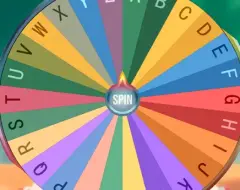







A Random Number Generator is a tool designed to select numerical values from a defined range. Users specify the possible numbers, activate the generator, and receive a randomly selected result. The available range can be as small as one to six for a virtual dice roll or much larger for mathematical exercises and numerical experiments. Some generators produce individual values, while others can return several numbers during one operation. There is no storyline or character-based gameplay, but the tool can provide the foundation for many different activities.
Setting the Number Range
The first step involves choosing the minimum and maximum values that the generator may select. For example, a range from one to twenty contains twenty possible integer results. When the generator uses uniform selection, each included number has an equal probability of appearing. Depending on the implementation, users may also specify intervals, exclude particular values, or determine how many results should be generated. These options make it possible to create numerical challenges with different rules without manually selecting the outcomes.
Features and Practical Applications
Random numbers are useful whenever an activity requires a result that is not directly chosen by a participant. They can determine movement in board games, assign numbered tasks, or create values for practice exercises.
The generator can be used for the following purposes:
· Rolling virtual dice with custom numerical ranges.
· Selecting numbered entries from a list.
· Creating random arithmetic exercises.
· Assigning numbers during classroom activities.
· Determining movement in homemade board games.
· Generating values for probability experiments.
· Selecting random objectives for gaming challenges.
Some number generators support both repeated and non-repeated results. When repetition is enabled, the same number may appear several times, even during consecutive attempts. When unique selection is available, previously selected numbers can be excluded from the remaining possibilities. Random results do not guarantee an even distribution over a small number of attempts. Several identical outcomes can occur naturally without indicating that the generator is malfunctioning.
How to Generate Random Numbers
Enter the lower and upper limits, then choose any additional settings provided by the interface. Activate the generation button or spin the numerical wheel to receive a result. If several numbers are required, repeat the operation or specify the desired quantity when that feature is available. Check whether the selected range includes both endpoints and whether duplicates are permitted. For probability exercises, generate multiple results and record how often each number appears. The tool can support both individual experiments and group games without requiring a complicated setup.
